
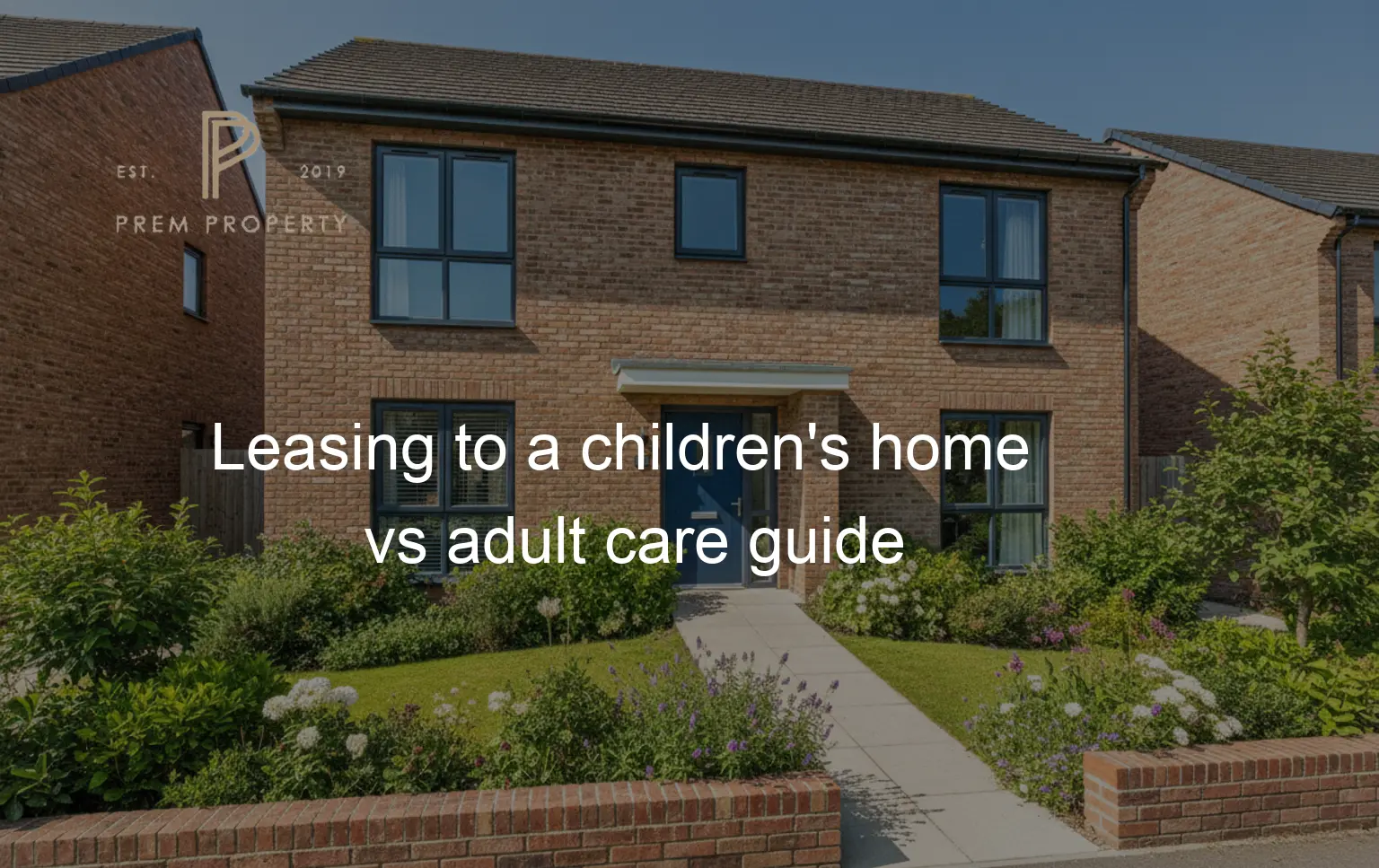
Leasing to a children’s home offers landlords a long-term, stable income stream by partnering with Ofsted-regulated care providers. This differs significantly from leasing to adult care services, which are overseen by the CQC and often have different operational needs, lease terms and property requirements.
For property owners and investors in areas like the West Midlands and Greater London, the social care sector presents a compelling opportunity for creating sustainable, long-term tenancies. The consistent demand for quality accommodation for vulnerable people means your property can serve a vital social purpose while generating a reliable return. The decision often comes down to two main avenues: leasing to adult care providers or pursuing a partnership involving leasing to a children’s home.
While both options appear similar on the surface, their operational, regulatory and contractual landscapes are distinctly different. This guide moves beyond initial property specifications to give you a practical comparison of what to expect day-to-day, helping you decide which path aligns best with your property and investment goals.
This article is for general guidance only and does not constitute legal, financial, planning or fire safety advice. You should always seek professional advice from a qualified solicitor, financial advisor or consultant before making any decisions.
Understanding Your Options in the Care Property Sector
Leasing your property to a care provider can be an attractive proposition. It often involves long-term leases with professional organisations, backed by secure, government-funded income streams. This stability is a significant draw for landlords seeking to minimise void periods and management stress. But who are your potential tenants?
The two primary tenant types are children’s home operators and adult care providers. Children’s homes provide care for young people and are regulated by Ofsted. Adult care providers cover a wider spectrum, including supported living for adults with learning disabilities or mental health needs and residential care for the elderly. You can learn more in our introductory guide for leasing to a children’s home and our overview of CQC registered home care.
The purpose of this article is to help you look past the initial setup. We will compare the ongoing operational and leasing nuances of each partnership so you can make a fully informed decision about the future of your property investment.
How Do Regulatory Bodies like Ofsted and the CQC Impact Landlords?
The single biggest difference between the two sectors is their regulatory bodies. Understanding their roles is crucial, as their standards can directly influence your property and your responsibilities as a landlord, even with a comprehensive lease in place.
The Role of Ofsted in Children’s Homes
Children’s homes in England are regulated by Ofsted. While their primary focus is on the quality of care and safeguarding, their remit extends to the physical environment. Ofsted’s standards, detailed in their official guidance on registering a children’s home, can influence everything from room sizes and bathroom facilities to the security of windows and outdoor space. You can find more detail in our guide to children’s home regulations.
The Role of the CQC in Adult Care
Adult care services are regulated by the Care Quality Commission (CQC). The CQC ensures that services are safe, effective and well-led. For landlords, this means the property must be fit for purpose, safe for residents and staff and properly maintained. This is particularly important in settings for adults with physical disabilities, where specific adaptations and accessibility features are non-negotiable. Passing a CQC care home inspection is vital for the provider to operate.
What This Means for Your Lease
Even under a Full Repairing and Insuring (FRI) lease, where the tenant is responsible for all repairs, the buck often stops with the landlord in the eyes of a regulator. Your lease must include clauses that require the tenant to comply with all regulatory standards. However, you may still have obligations regarding property access for inspections and ensuring the building’s fundamental structure and safety systems meet specific standards, such as those outlined in The Regulatory Reform (Fire Safety) Order 2005.

What are the Key Differences in Lease Agreements?
While a standard commercial lease forms the basis of any agreement, leases for care properties contain specific clauses reflecting their unique use. When you are considering leasing to a children’s home, the terms can differ from those for an adult care provider.
Both sectors favour long-term agreements, often ranging from 5 to 25 years, which provides security for both landlord and tenant. The core of the agreement is usually an FRI lease, making the care provider responsible for all costs of repairs, maintenance and insurance. However, you should pay close attention to clauses covering:
- Regulatory Compliance: The lease must explicitly state that the tenant is responsible for meeting all requirements set by Ofsted or the CQC. This includes any property modifications needed to maintain their registration.
- Property Adaptations: The agreement should clearly define the process for any alterations. This includes who is responsible for the cost, the need for landlord consent and the requirement to seek building regulations approval for alterations where necessary.
- Change of Use: A property’s planning ‘use class’ is critical. A standard family home is C3. A small care home for up to six residents may fall under C3(b), while larger facilities typically require C2 (Residential institutions) planning consent. The lease must address who is responsible for securing any required change of use and what happens if permission is not granted. Understanding The Town and Country Planning (Use Classes) Order is a good starting point. Our practical guide to C2 change of use offers more insight.
It is crucial to get expert legal advice when structuring a care property lease. A specialist solicitor will ensure the agreement protects your interests while meeting the operational needs of the care provider.
Operational Realities A Comparison of Day-to-Day Property Use
Once the tenant moves in, the daily life within the property will differ significantly between a children’s home and an adult care setting. These operational realities have a direct impact on your asset. A key part of the process of leasing to a children’s home is understanding these differences.
The table below summarises some of the key operational distinctions for landlords.
| Factor | Children’s Home | Adult Care (Supported Living) |
|---|---|---|
| Property Wear & Tear | Potentially higher wear and tear on communal areas, fixtures and fittings due to the nature of accommodating active young people. | Wear and tear is generally standard, but specialist equipment may require specific maintenance schedules. |
| Required Adaptations | Focus on safety, security (e.g. window restrictors) and creating a ‘homely’ environment. May require robust furniture and decor. | Often requires significant physical adaptations like wet rooms, ramps, hoists or lifts to ensure accessibility. |
| Staffing Model | 24/7 staff presence on a rota basis, leading to constant use of the property and its facilities. | Staffing can range from 24/7 on-site support to visiting carers, depending on the needs of the residents. |
| Community Impact | Neighbour relations can be a factor. The operator should have a clear plan for community engagement. | Generally lower impact, often indistinguishable from a standard residential property. |
Understanding these factors will help you anticipate the long-term management needs of your property. While an FRI lease places responsibility on the tenant, a proactive understanding allows you to ensure the lease contains the right clauses to protect your asset’s value.

How Can You Assess Tenant Profiles and Financial Stability?
A common misconception is that your tenants are the residents. In reality, your legal agreement is with the care provider organisation. This makes thorough due diligence on the provider’s financial health and operational track record absolutely essential, whether you are leasing to a children’s home or an adult care service.
Vetting Your Care Provider Tenant
Before signing any lease, you must be confident in your tenant’s ability to pay rent for the full term and manage the property responsibly. This involves vetting your potential care provider thoroughly. Key steps include:
- Financial Checks: Review their accounts and financial history. Checking a provider’s status on Companies House is a crucial first step.
- Regulatory History: Check their inspection reports. For a children’s home provider, this means searching Ofsted inspection reports for their other locations. For adult care, you would check the CQC’s public records.
- Experience and Reputation: How long have they been operating? What is their reputation in the sector? Ask for references from other landlords if possible.
Understanding Funding Streams
A major advantage of leasing property for care is the security of the income. Funding for both children’s and adult social care placements is predominantly government-backed, coming from local authorities or Clinical Commissioning Groups. These government-backed funding streams mean that as long as the provider is compliant and the property is occupied, the rental income is highly secure. However, the specific funding mechanisms can vary between local authorities, so it’s wise to understand how your potential tenant is funded.
Common Mistakes and Myths When Leasing to a Care Provider
Navigating the world of leasing to a children’s home or adult care provider can be complex. Here are some common myths to be aware of:
- Myth: An FRI lease means I have zero responsibility. While the tenant is financially responsible for repairs, the landlord often retains ultimate accountability for statutory compliance, such as ensuring a valid fire risk assessment is in place. Your lease should reflect this.
- Myth: I can use a standard Assured Shorthold Tenancy (AST) agreement. This is incorrect. These are commercial arrangements requiring a robust commercial lease drafted by a specialist solicitor.
- Myth: The provider’s Ofsted or CQC registration covers planning permission. These are separate processes. A provider can be an approved operator, but the property itself must have the correct planning use class, which may require a formal application for when planning permission is required.
How Can Guaranteed Rent and Property Management Help?
The complexities of leasing to a children’s home or care provider can seem daunting. This is where partnering with a specialist organisation like Prem Property can be beneficial. We work with landlords to create sustainable property partnerships with housing providers.
Our guaranteed rent solutions offer landlords a secure rental income, paid on time every month regardless of voids, while reducing management stress. We handle the relationship with the care provider and ensure the property is well-maintained and compliant. For landlords who prefer a more hands-on approach but need expert support, our property management services provide maintenance coordination and ongoing compliance support. This professional oversight helps protect your investment for the long term.
When to Get Professional Advice
Successfully leasing to a children’s home or adult care provider requires a team of experts. Knowing who to consult and when is key to avoiding costly mistakes.
- Specialist Solicitor: Engage a solicitor with experience in commercial property leases for the care sector. They will draft an agreement that protects your interests and addresses the unique regulatory landscape.
- Planning Consultant: If a change of use is required (e.g. from C3 to C2), a planning consultant can guide you through the application process with your local authority.
- Fire Safety Assessor: A competent professional should conduct a thorough fire safety risk assessment for residential care premises. This is a critical part of both your and your tenant’s responsibilities. Our guide to care home fire safety has more information.
- Commercial Property Agent: A specialist agent can help you understand market rents and find a suitable, well-vetted care provider tenant.
Which Is the Right Fit for Your Property Investment?
Ultimately, the choice between leasing to a children’s home and an adult care provider depends on your property, your financial goals and your desired level of involvement. Both offer the potential for a stable, long-term and socially valuable investment.
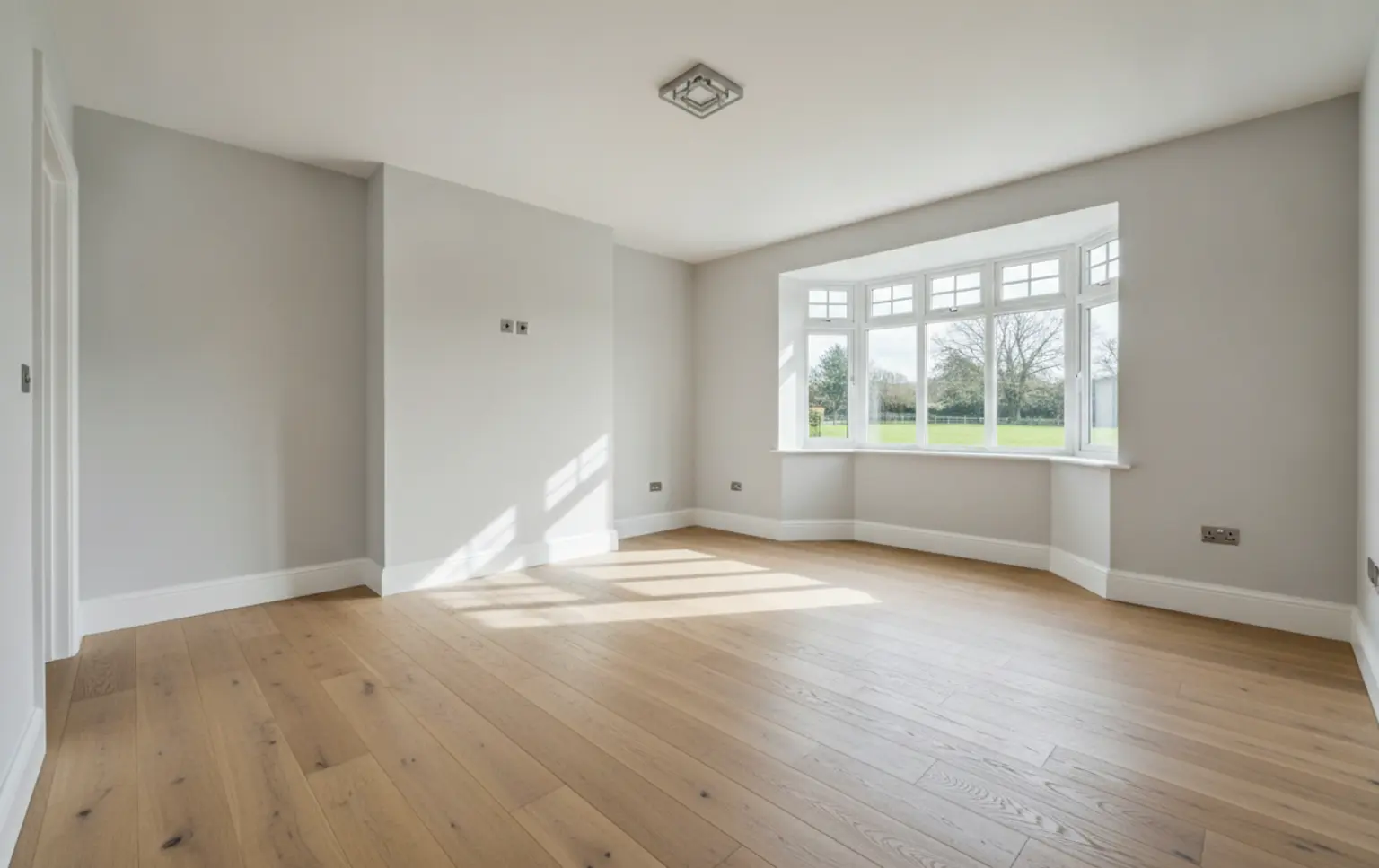
Consider your property’s characteristics. Is it a large house with a garden near good schools, making it ideal for a children’s home? Or is it a bungalow or ground-floor flat in a quiet area with good transport links, better suited for supported living for adults? Analysing your property size location and layout is a vital step.
By understanding the regulatory, leasing and operational differences outlined in this guide, you can confidently assess which type of tenancy is the right fit for your portfolio. The process of leasing to a children’s home requires careful consideration, but it can be a rewarding venture for the right property and landlord.
Key Takeaways
- Leasing to care providers offers long-term, secure tenancies backed by government funding.
- Children’s homes are regulated by Ofsted and adult care by the CQC and their respective standards directly impact the property and landlord.
- A specialist commercial FRI lease is essential, with specific clauses for regulatory compliance, adaptations and change of use.
- Daily property usage differs significantly, with children’s homes potentially seeing higher wear and tear and adult care often requiring specialist adaptations.
- Thorough due diligence on the care provider’s financial and operational history is non-negotiable.
- The decision on leasing to a children’s home versus adult care should align with your property type and investment strategy.
- Professional advice from solicitors, planning consultants and fire safety experts is critical for a successful partnership.
Frequently Asked Questions
Are lease terms longer for children’s homes than for adult care providers?
Not necessarily. Both sectors typically favour long-term commercial leases, often ranging from 5 to 25 years. The length is usually determined by the care provider’s contract with the local authority and their confidence in the property’s suitability.
Does Ofsted or the CQC inspect my property directly or the care provider?
The regulators inspect the care provider and the service they deliver. However, this inspection includes a thorough assessment of the physical environment to ensure it is safe and fit for purpose. While they do not inspect you as the landlord, any failings identified with the property will need to be addressed by your tenant, which may involve you.
What are a landlord’s main responsibilities when leasing to a care provider?
Even with an FRI lease, you retain ultimate responsibility for statutory compliance, such as ensuring the building adheres to fire safety and building regulations. Your specific duties will be defined in the lease, but a general overview can be found in our guide to landlord responsibilities in a care home lease.
Can I use a standard commercial lease for a children’s home or adult care property?
It is strongly advised to use a specialist lease drafted by a solicitor experienced in the care sector. A standard commercial lease will likely lack the specific clauses needed to address regulatory compliance, property adaptations and the unique operational nature of leasing to a children’s home or adult care provider.
Which type of care property investment is more profitable?
Profitability depends on many factors including property value, location, lease terms and the strength of the tenant covenant. Neither option is inherently more profitable than the other. The best investment is one with a long lease to a financially stable provider in a well-maintained property that meets all regulatory standards.
UK Guidance and Further Reading
Final Thoughts
Choosing between leasing to a children’s home and an adult care provider is a significant decision that requires careful thought and thorough research. Both paths offer a unique opportunity to secure a long-term, reliable income while providing a much-needed home for vulnerable members of society. By understanding the distinct operational and regulatory environments, you can make a choice that protects your asset and aligns with your investment strategy. The key to success is a strong lease, a reliable tenant and a clear understanding of your responsibilities.
If you own a property in the Midlands or Greater London and are considering leasing to a children’s home or another care provider, we can help you explore your options. Discuss Your Property With Prem Property today to learn more about our guaranteed rent and property management solutions.