
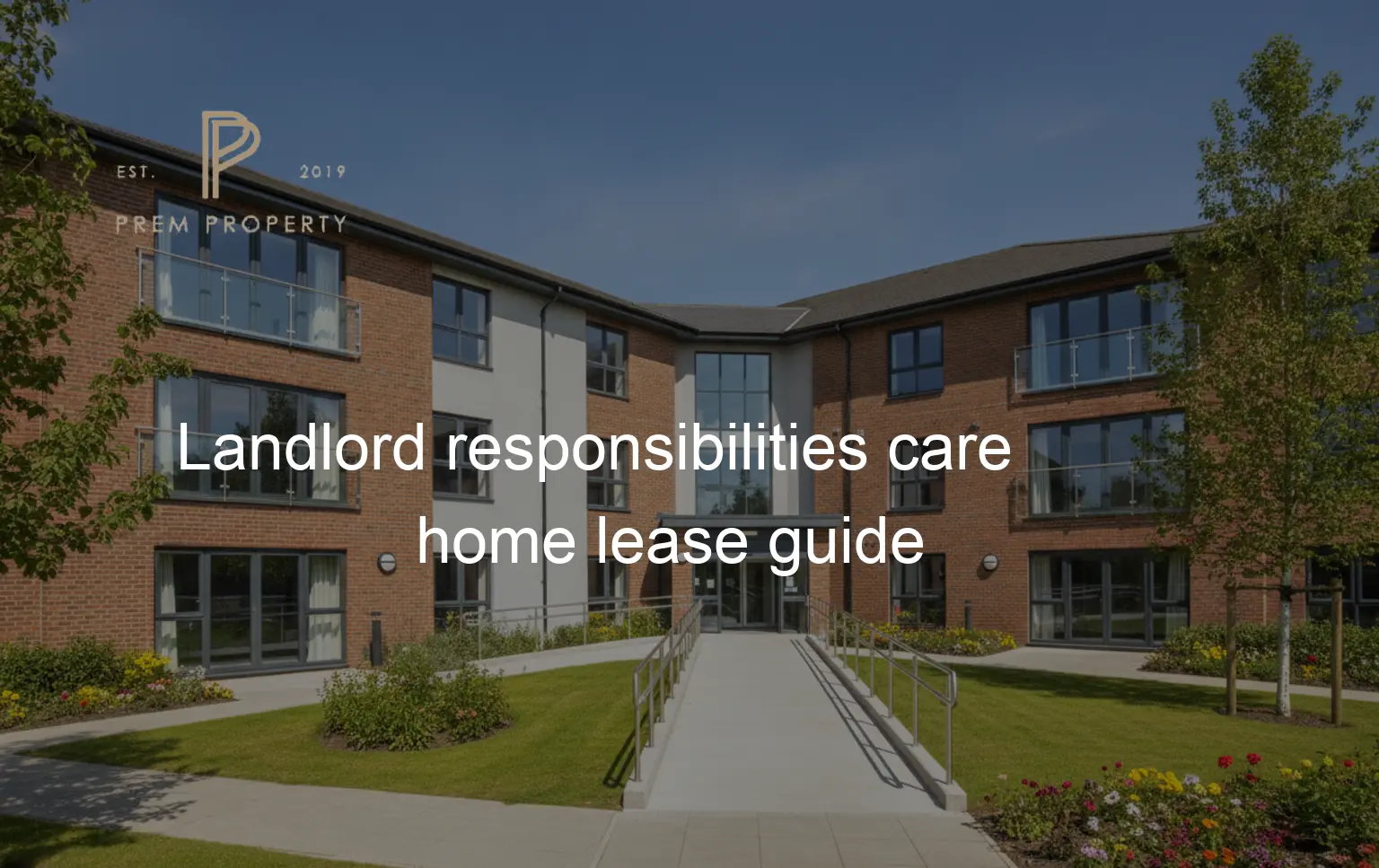
The primary landlord responsibilities in a care home lease typically cover the building’s structural integrity, the exterior and arranging building insurance. The tenant or care provider, is usually responsible for internal non-structural repairs, operational compliance and all day-to-day maintenance.
Leasing a property to a care provider can be a secure and rewarding venture for property investors. However, a commercial lease for a care home is far from standard. It involves a complex interplay between commercial property law and the stringent regulations of the UK care sector. Understanding the division of duties is crucial to protecting your investment and fostering a successful partnership with your tenant. This guide breaks down the typical landlord responsibilities care home lease agreements contain.
This article provides general guidance and information for landlords and property investors. It does not constitute legal, financial, planning or fire safety advice. You should always seek independent professional advice from a qualified solicitor or surveyor before entering into any lease agreement.
What Makes a Care Home Lease Different?
A care home lease is a highly specialised commercial property agreement. Unlike a standard retail or office lease, the tenant is not just a business but a regulated care provider. This single fact introduces a layer of complexity that influences nearly every clause in the agreement.
How a care home lease differs from a standard commercial lease
The core difference is the end user. The property is not just a workplace but a home for vulnerable residents. This means the building’s condition directly impacts the tenant’s ability to operate legally and safely. For example, a leaking roof in an office is an inconvenience but in a care home, it can be a serious health and safety breach that attracts the attention of regulators. For a property to operate as a care home, it typically requires a C2 use class under The Town and Country Planning (Use Classes) Order. Understanding the a guide to C2 change of use is a critical first step for any landlord, along with checking the official guidance on planning permission.
The role of the FRI (Full Repairing and Insuring) lease
Many commercial leases, including those for care homes, are structured as a Full Repairing and Insuring (FRI) lease. In simple terms, this model shifts the responsibility for most repairs and insurance costs onto the tenant. However, it’s a common misconception that an FRI lease removes all landlord obligations. The exact terms must be explicitly defined in the lease agreement and certain fundamental duties often remain with the landlord. A well-drafted lease is essential when leasing a property to a care provider.
What Are the Core Landlord Responsibilities in a Care Home Lease?
Even under a comprehensive FRI lease, the property owner typically retains responsibility for the fundamental aspects of the building. These core landlord responsibilities care home lease clauses should detail precisely.
Structural integrity and exterior maintenance
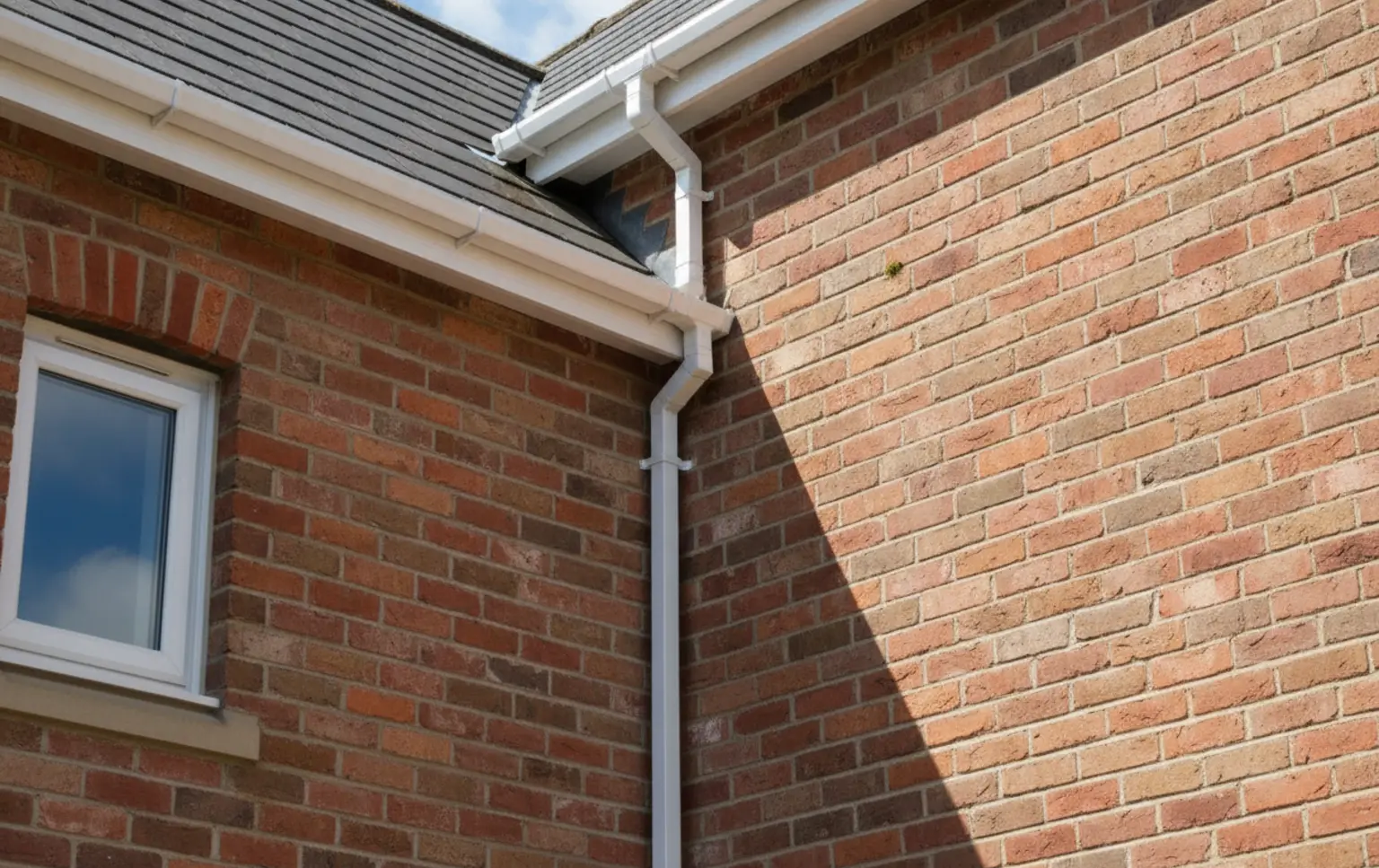
This is the landlord’s primary domain. You are generally responsible for maintaining the main structure of the building. This includes the roof, foundations, external walls and any load-bearing elements. The goal is to ensure the building remains sound, safe and weatherproof for the duration of the lease term. Any major works may need to adhere to the building regulations approval process.
Building insurance
The landlord usually arranges the building’s insurance policy to ensure their asset is protected. While the tenant is the one who reimburses the cost of the premium under an FRI lease, it is the landlord’s duty to ensure adequate cover is in place. The tenant will be responsible for their own contents insurance, public liability and any other business-related policies.
Fundamental health and safety duties
A landlord has underlying duties to ensure the property is safe at the point of letting. This can include managing any asbestos present, ensuring the fixed electrical installations are safe and other statutory obligations. While ongoing checks often become the tenant’s duty, the initial state of the property is a key landlord responsibility. You should be familiar with the general property requirements for UK care homes.
What Are the Care Provider’s Responsibilities as a Tenant?
The care provider, as the tenant, takes on a significant portion of the property-related duties. Their responsibilities extend beyond simple maintenance to encompass full operational and regulatory compliance.
Internal repairs and decoration
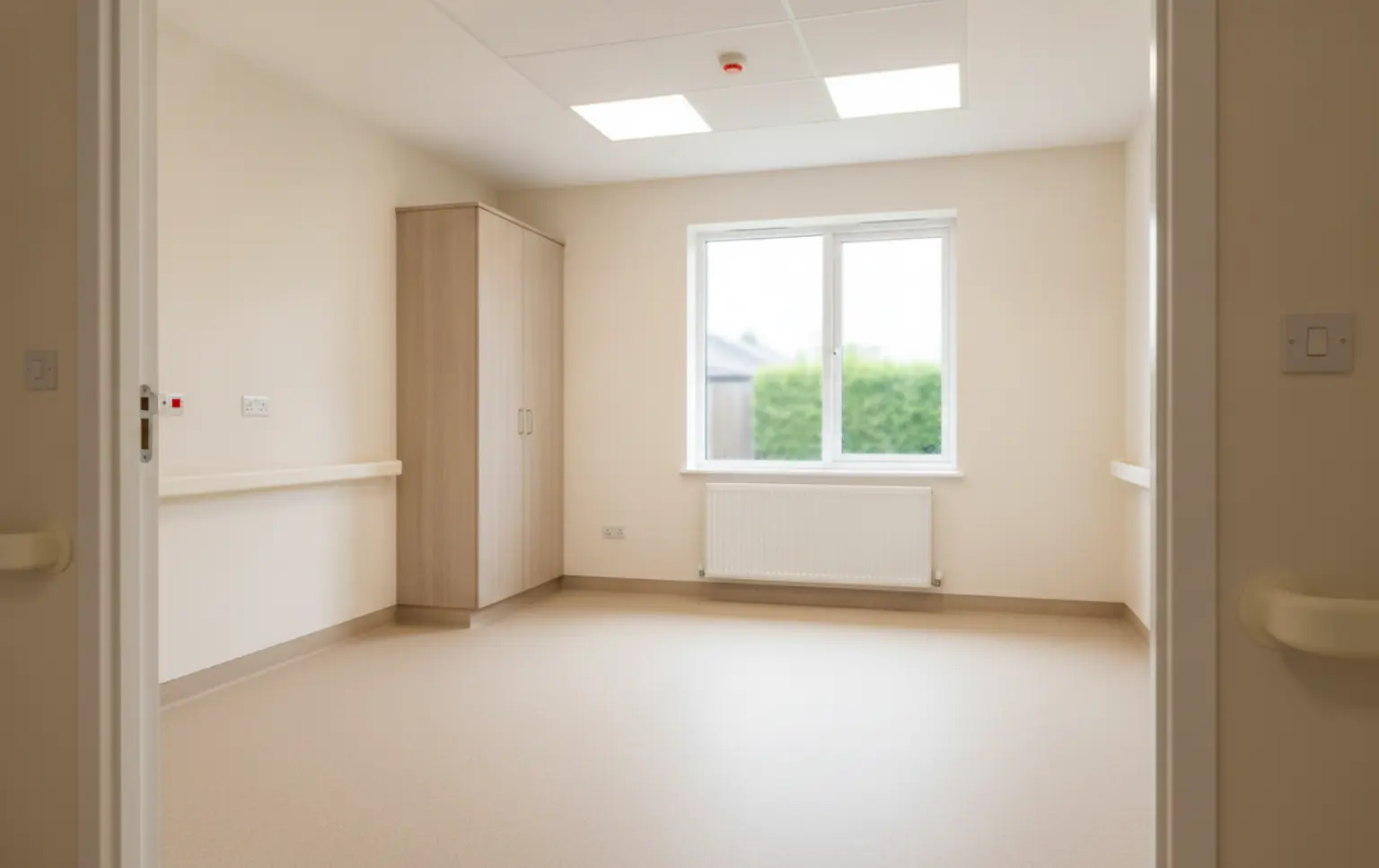
The tenant is typically responsible for the upkeep of the interior of the property. This covers non-structural elements such as internal walls, doors, flooring and decorations. They are also responsible for repairing and maintaining fixtures and fittings they use for their business, from kitchen equipment to specialist care facilities. The scope of these a landlord’s guide to care property leases should define in detail.
Operational compliance (CQC/Ofsted)
This is one of the most critical care home tenant responsibilities. The care provider is solely responsible for registering with and meeting all standards set by their regulator. For adult care homes in England, this is the Care Quality Commission (CQC) and for children’s homes, it is Ofsted. This includes everything from staffing and care quality to the safety and suitability of the environment. Landlords should understand the basics of CQC registration requirements and guidance on registering a children’s home to appreciate the pressures on their tenant. Performing due diligence on a care provider tenant, including checking their history on the Search Ofsted inspection reports database or CQC equivalent and using the Companies House service, is a sensible step.
Day-to-day safety and maintenance
The tenant is in control of the property day-to-day, so they are responsible for routine safety checks. This includes regular testing of fire alarms and emergency lighting, Portable Appliance Testing (PAT) for their electrical equipment and maintaining accessibility features like ramps and handrails. These duties are essential for resident safety and regulatory compliance.
Who is responsible for repairs in a care home?
This is the most frequent source of dispute in a commercial lease for a care home. While the FRI model provides a framework, the specifics must be meticulously detailed in the lease agreement to avoid ambiguity. Clarity on this point is central to a successful landlord-tenant relationship.
Common ‘grey areas’ like windows, plumbing and electrical systems must have responsibility clearly assigned. For example, is the landlord responsible for the window frames (exterior) while the tenant is responsible for the glass (interior)? Who handles a blocked drain that sits beneath the building’s foundations? A well-drafted lease anticipates these issues. The following table illustrates a typical, but not universal, division of responsibilities.
| Item | Typical Landlord Responsibility | Typical Tenant Responsibility |
|---|---|---|
| Roof, foundations, external walls | Repair and maintain | Report issues promptly |
| Internal walls, doors, flooring | – | Repair, maintain and decorate |
| Windows and external doors | Often landlord for frames/structure | Often tenant for glass/mechanisms |
| Central heating boiler | Can be landlord or tenant (must be specified) | Regular servicing and minor repairs |
| Fixed electrical wiring | Ensure safety at start of lease | Ongoing safety checks (e.g. EICR) |
| Fire safety equipment | May provide initial installation | Regular testing and maintenance |
| Gardens and grounds | – | Maintain to a good standard |
To prevent future disputes, a Schedule of Condition is vital. This is a detailed report, often prepared by a surveyor with photographs, that documents the property’s exact state at the beginning of the lease. It serves as a benchmark, preventing the tenant from being held liable for pre-existing issues and ensuring they return the property in an appropriate condition.
How Do Care Regulations Impact Property Obligations?
While the tenant is responsible for CQC or Ofsted compliance, the physical state of the building can directly influence inspection outcomes. A failing on the property’s part can lead to a negative report for the provider, creating tension in the landlord-tenant relationship. Understanding how CQC inspections affect your lease is beneficial for any landlord in this sector.
For instance, fire safety is a critical area where responsibilities can overlap. The landlord must ensure the building has appropriate structural fire protection, but the tenant must manage fire risk assessments, drills and the maintenance of alarms and extinguishers. Both parties have duties under The Regulatory Reform (Fire Safety) Order 2005 and specific guidance on fire safety risk assessment for residential care is available. Similarly, water hygiene (Legionella risk) and building security can involve both landlord and tenant duties. Landlords should familiarise themselves with care home fire safety regulations. The same principles apply to children’s homes and there are useful lessons for children’s home property investors in understanding how Ofsted’s role in children’s homes impacts the property.
A crucial point for the lease is to clarify who is responsible for funding capital improvements required by new legislation or updated regulatory standards. Without a clear clause, this can become a significant point of contention.
What Key Clauses Should Be in Your Care Home Lease Agreement?
A robust lease is your best protection. When reviewing a draft agreement, pay close attention to several key clauses that define the landlord responsibilities care home lease terms.
- Repairing Covenant: This is the heart of the agreement, detailing exactly who repairs what. It should be specific, unambiguous and cover all aspects of the property.
- Compliance with Statutes: This clause typically obliges the tenant to comply with all relevant legislation, including health and safety and care regulations. It reinforces that operational compliance is their duty.
- Alterations: The lease should state whether the tenant can make alterations to the property and under what conditions. This is important as care providers may need to adapt the building to meet residents’ needs or regulatory requirements.
- Yielding Up: This clause outlines the condition in which the tenant must return the property at the end of the lease, often referencing the original Schedule of Condition.
Given the complexities, it is essential to get professional legal advice when drafting or signing any care home lease agreement. A solicitor specialising in commercial property can help you avoid the common problems when leasing to care providers.
Common Mistakes and Myths to Avoid
Navigating your landlord responsibilities care home lease can be tricky. Here are some common misunderstandings to steer clear of:
- Myth: An FRI lease means I do nothing. As discussed, landlords almost always retain responsibility for the building’s structure and latent defects, even in a strong FRI lease.
- Mistake: Ignoring the tenant’s regulatory status. The tenant’s CQC or Ofsted rating is a key indicator of their stability. A provider with compliance issues may struggle financially or vacate the property, creating a void period for you.
- Myth: The lease wording is just a formality. In a dispute, the exact wording of the lease is what matters. Ambiguous clauses on repairs or compliance create significant financial and legal risks.
- Mistake: Not creating a Schedule of Condition. Without this baseline document, it becomes incredibly difficult to prove what damage was caused during the tenancy versus what was pre-existing, leading to costly end-of-lease disputes.
How Professional Management Can Support Your Investment
For landlords who own suitable properties in areas like the West Midlands or Greater London, the complexities of a care home lease can feel daunting. This is where specialist property management and guaranteed rent solutions can help. A professional partner acts as an intermediary, managing the relationship with the care provider and handling many of the property-related obligations.
A guaranteed rent arrangement means you receive a fixed monthly income regardless of whether the property is occupied, reducing the financial risk of void periods. The management partner takes on tasks like maintenance coordination and compliance support, ensuring the property is well-maintained. This structure allows you to benefit from a stable rental income stream while a specialist handles the operational details. It is important to remember that no arrangement can remove all investment risk and all agreements should be read carefully and reviewed by a solicitor.
When to Get Professional Advice
Successfully managing a care home lease requires a team of professionals. Knowing who to turn to and when is crucial for protecting your asset.
- Commercial Property Solicitor: Engage a solicitor before you even begin negotiations. They are essential for drafting, reviewing and advising on the lease agreement to ensure your interests are protected.
- Chartered Surveyor: A surveyor should be instructed to prepare a detailed Schedule of Condition before the lease begins. They can also advise on dilapidations at the end of the term.
- Planning Consultant: If you are converting a property to care use (e.g. from a C3 dwellinghouse to a C2 care home), a planning consultant can guide you through the complex application process.
- Specialist Property Partner: A company like Prem Property, which specialises in sourcing and managing properties for the care sector, can provide invaluable market insight and management support throughout the process.
Key Takeaways
- A care home lease is a specialised commercial agreement where the tenant is a regulated entity (CQC or Ofsted).
- Landlord responsibilities typically focus on the building’s structure, exterior and insurance, even in an FRI lease.
- The care provider tenant is responsible for internal repairs, day-to-day safety and all operational compliance.
- The lease must be extremely clear on who is responsible for repairs, especially in ‘grey areas’ like windows, plumbing and systems.
- A Schedule of Condition is essential to prevent disputes at the end of the lease term.
- Regulatory requirements from the CQC or Ofsted can impact property obligations, making clear clauses on compliance and improvements vital.
- Always seek professional legal and surveying advice before entering into a care home lease agreement.
Frequently Asked Questions
What is an FRI lease for a care home?
An FRI (Full Repairing and Insuring) lease is a type of commercial agreement where the tenant is responsible for the costs of all repairs, maintenance and building insurance. However, the exact landlord responsibilities care home lease terms can vary and landlords usually retain liability for the main structure.
Is the landlord responsible for fire safety in a property leased to a care provider?
Responsibilities are shared. The landlord is typically responsible for ensuring the building’s structural fire precautions are adequate, while the tenant (as the operator) is responsible for the day-to-day management, including risk assessments, alarm testing and staff training.
Who pays if the CQC requires major adaptations to a care home property?
This depends entirely on the lease agreement. A well-drafted lease will have a specific clause stating who is responsible for the cost of capital improvements required by new legislation or regulatory demands. Without this, it can become a point of serious dispute.
What happens if my care provider tenant fails to carry out necessary repairs?
If a tenant breaches their repairing covenant, the landlord can take action. The lease will outline the process, which usually involves serving a formal notice to repair. If they still fail to act, you may be able to enter the property to carry out the works and recover the cost from the tenant.
As a landlord can I inspect my property during the lease term?
Yes, commercial leases almost always include a clause giving the landlord the right to enter the property to inspect its condition, providing they give reasonable notice to the tenant. This is an important right that helps you ensure the tenant is complying with their obligations under the landlord responsibilities care home lease.
Final Thoughts
A clear and comprehensive lease is the foundation of a successful partnership between a landlord and a care provider. By understanding the division of duties and anticipating potential issues, you can create an agreement that protects your property, supports your tenant’s operations and provides a stable, long-term investment. The landlord responsibilities care home lease agreements define are specific and must be respected to avoid conflict.
If you own a property in the Midlands or Greater London and are considering leasing to the care sector, getting expert advice is the best first step. Discuss Your Property With Prem Property to learn more about how we support landlords in this specialist market.