
Obtaining children’s home planning permission requires a robust application that addresses planning policy and proactively manages community concerns. Success often depends on early engagement with neighbours and demonstrating how the home will be a well-managed, positive addition to the local area.
For property investors and care providers, converting a property into a children’s home is a way to meet a critical national need while creating a sustainable asset. However, the path to approval is often lined with challenges, particularly from local communities. Misconceptions can quickly lead to objections, which can complicate or delay the planning process.
This guide provides a strategic roadmap for navigating these hurdles. We will focus on how to anticipate, manage and overcome community objections during the C2 planning process, giving your application the best possible chance of success. This is a key part of an investor’s guide to children’s homes.
This article is for general informational purposes only and does not constitute legal, planning, financial or fire safety advice. You should always consult with qualified professionals before making any decisions related to property investment or development.
Why do C2 children’s homes face planning and community hurdles?
Across the UK, from the West Midlands to Greater London, there is a significant and acknowledged need for more high-quality residential homes for children in care. These homes provide a safe and supportive environment for some of society’s most vulnerable young people. Despite this, proposals for new homes often face local opposition when seeking children’s home planning permission.
The source of this opposition usually stems from a few common areas of concern:
- Fear of the unknown: Residents may have misconceptions about the children who will live in the home and the nature of the care provided.
- Perceived impact on the area: Concerns are frequently raised about potential increases in noise, traffic and parking pressure.
- Effect on property values: Some homeowners worry that a nearby care facility could negatively impact the value of their properties, although this is rarely substantiated.
These worries can translate into formal objections during the planning process. Local authorities are legally required to consider these objections, making it essential for applicants to address them head-on. Understanding these potential challenges from local residents is the first step in creating a successful application for children’s home planning permission.
What does the formal planning process involve?
Navigating the planning system requires an understanding of its key terms and processes. Your application for children’s home planning permission will be assessed against established local and national policies.
What is C2 planning permission?
In the UK, properties are categorised into ‘Use Classes’ as defined by The Town and Country Planning (Use Classes) Order. A standard family home falls under Class C3. A small property housing up to six residents living together as a single household with care falls under Class C3(b). For larger residential care facilities, you will typically need permission for Class C2, which covers ‘Residential Institutions’. This includes residential care homes, nursing homes and boarding schools.
Depending on the property’s current status, you will either submit a full planning application or a change of use application. Both require you to justify the development and demonstrate that it complies with planning rules. This often involves changing a C3 dwelling to a C2 institution, which is a common route for providers.
What are material planning considerations?
When a local authority decides on an application, it can only take certain factors into account. These are known as ‘material planning considerations’. They can include:
- Local and national planning policies
- Impact on highways and road safety
- Noise and disturbance
- Effect on the character and appearance of the area
- Government guidance, such as the National Planning Policy Framework reforms
Crucially, public opinion or fear alone is not a valid reason for refusal if it is not based on these material considerations. Your application must be strong enough to show that on all material grounds, the plan is acceptable. Understanding your local council’s Local Plan is vital, as this document sets out the specific policies for your area.

How can proactive community engagement lead to success?
One of the most effective strategies for securing children’s home planning permission is to manage the narrative from the very beginning. Proactive and thoughtful care home community engagement can demystify your project and build trust before a single objection is lodged.
When to start the conversation
The ideal time to begin engaging with the community is before you submit your planning application. Start with the most immediate neighbours and your local ward councillors. A friendly, informal conversation can go a long way in explaining your intentions and answering questions before misinformation spreads.
How to communicate your vision
Your goal is to show that the proposed home will be a well-managed, professional and positive presence. Here are a few methods:
- Informal chats: Speak to immediate neighbours directly to introduce the project.
- Informative leaflets: Create a simple, clear leaflet explaining the purpose of the home, the professionalism of the care provider and a contact point for questions.
- Pre-application consultation: For larger projects, a formal pre-application meeting with the local planning authority can provide valuable early feedback.
Focus on the positive reality. You are not building an institution; you are creating a stable, supportive home for vulnerable children, managed by a professional team dedicated to their welfare. This is a core part of managing a children’s residential home effectively.
How do you build a robust application to pre-empt objections?
A strong application is your best defence against potential objections. It should be comprehensive, evidence-based and directly address the likely concerns of both the council and local residents. Getting this right is a crucial part of a guide to C2 planning permission.
The role of the Planning Statement
The Planning Statement is the central document of your application. It is your opportunity to make the case for your proposal. Instead of just listing facts, it should tell a story. It must explain why the home is needed, how it complies with planning policies and most importantly, how potential negative impacts will be mitigated. It should directly tackle common concerns like parking, noise and supervision, showing you have considered them and have credible solutions.
Supporting evidence and reports
Words are not always enough. To counter subjective fears with objective facts, you should commission specialist reports where necessary. These can include:
- Operational Management Plan: This is a critical document. It details the day-to-day running of the home, including staffing levels, supervision policies, visitor arrangements and contact details for the manager. It provides concrete reassurance that the home will be professionally run according to The Children’s Homes (England) Regulations 2015.
- Transport Statement: A transport consultant can analyse the likely number of vehicle movements (staff, visitors, deliveries) and assess the impact on local parking and traffic. This provides objective data to counter common traffic-related C2 planning objections.
- Noise Impact Assessment: If noise is a likely point of contention, an acoustic report can model potential noise levels and demonstrate that they will remain within acceptable limits.
Providing this level of detail shows the planning authority that you are a serious, professional applicant committed to high standards.
The table below shows how you can frame your application to respond to common community hurdles.
| Common Community Objection | Robust Application Response |
|---|---|
| “It will cause parking chaos and traffic problems.” | Provide a professional Transport Statement with data on vehicle movements and a clear parking plan for staff and visitors. |
| “The residents will be noisy and cause a disturbance.” | Submit a detailed Operational Management Plan showing high staff-to-resident ratios, supervision policies and a Noise Impact Assessment if required. |
| “We’re worried about anti-social behaviour.” | Highlight the home’s purpose: to provide a safe, therapeutic and supportive environment. Emphasise the professional management and the role of Ofsted in children’s homes as the regulator. |
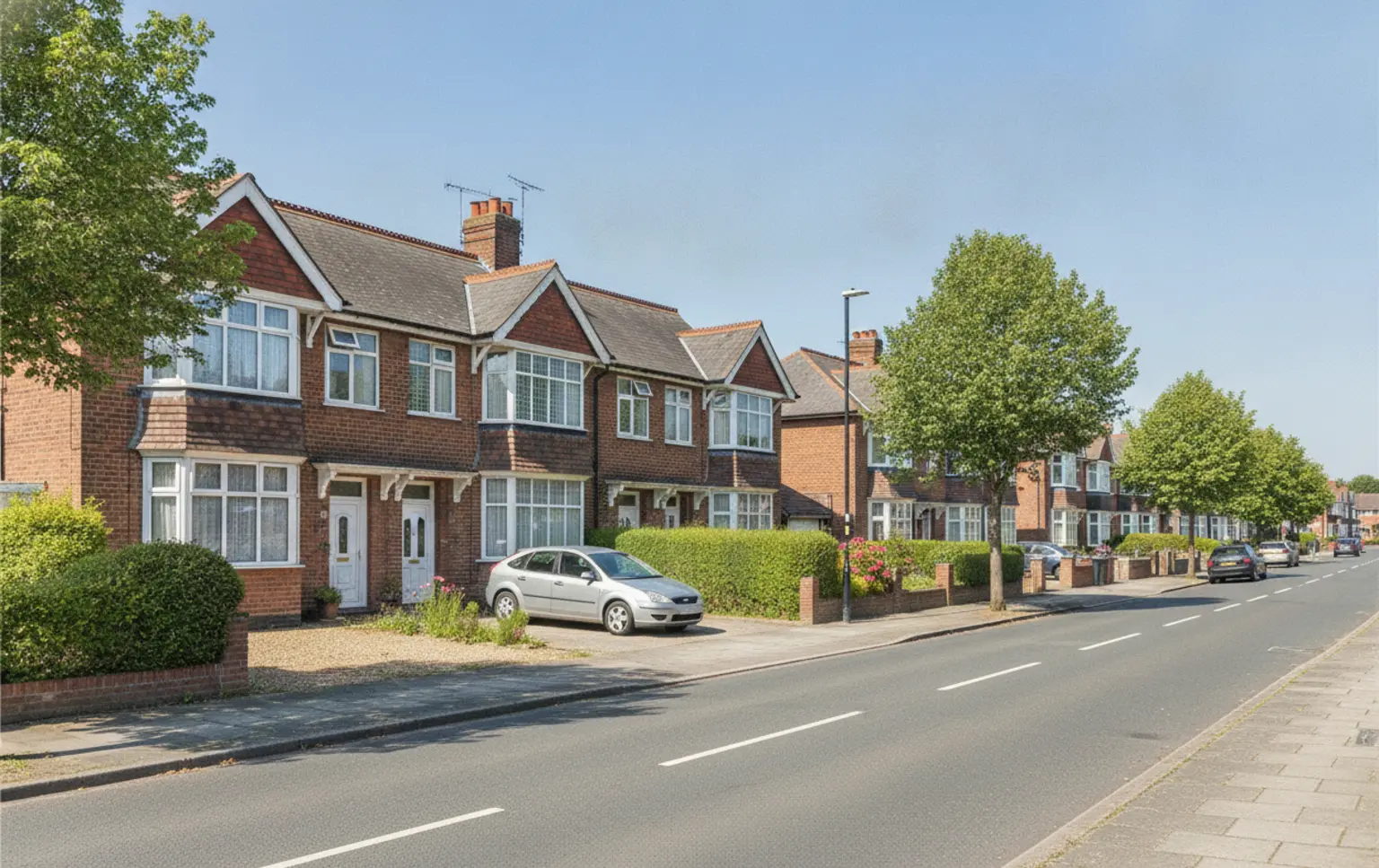
| “It’s not the right character for a residential street.” | Explain how the property’s external appearance will remain unchanged, preserving the character of the area. Stress it is a ‘home’, not a commercial institution. |
How should you navigate council meetings and public scrutiny?
If your application is referred to the council’s planning committee, you or your representative will likely have a chance to speak. This is a critical moment in the children’s home planning permission process.
It is essential to remain professional, calm and factual, even in the face of emotional opposition. Focus your presentation on the material planning considerations. Remind the committee of the need for such homes and how your application meets all relevant policies. Be prepared to answer questions clearly and concisely.
Many applicants find it valuable to have a planning agent or an experienced partner represent them at these meetings. An expert can present the case dispassionately and is well-versed in handling difficult questions and countering arguments that are not based on valid planning grounds. They understand what is needed for a successful application for children’s home planning permission.
What happens if your planning application is refused?
Receiving a refusal can be disheartening, but it is not necessarily the end of the road. A planning refusal, especially one influenced by local pressure rather than solid policy, can often be challenged. This is a key part of what investors need to know about C2 properties.
Your first step is to carefully read the council’s reasons for refusal. If you and your planning consultant believe these reasons are not well-founded in planning policy, you have the right to appeal. The process involves lodging a planning appeal with the Planning Inspectorate, an independent government body.
An Inspector will be appointed to review the case from scratch. They will assess your application, the council’s decision and any comments from the public purely against planning law and policy. Local opinion holds less weight in this formal setting. Because appeals are assessed impartially, many are successful, particularly if the initial decision was weak. This process is a vital backstop for overcoming planning refusal.
Common mistakes and myths about children’s home planning permission
Several misconceptions can trip up even experienced property owners. Here are a few to avoid:
- Assuming no permission is needed. While very small homes for up to six residents may fall under ‘permitted development’ in some cases, most will require a change of use application. Always check the rules on when planning permission is required with the local authority.
- Ignoring the neighbours. Submitting an application without any prior engagement is a common mistake. It creates an information vacuum that is quickly filled with rumour and fear, leading to organised opposition.
- Submitting a thin application. A basic set of forms and floor plans is not enough. Without a detailed Planning Statement and supporting evidence, your application is vulnerable to refusal.
- Confusing Ofsted registration with planning. Gaining children’s home planning permission is a separate process from registering the home with Ofsted. You must navigate both and each has its own requirements. Ofsted has a clear guidance on registering a children’s home.
- Giving up after a refusal. Many applicants abandon their project after a first refusal, not realising the strength of the appeals process.
How guaranteed rent supports your C2 property investment
For landlords and property investors, the period after securing planning permission is just as important. Once you have an approved C2 property, partnering with a specialist organisation like Prem Property can provide stability and reduce management burdens through a guaranteed rent arrangement.
With guaranteed rent, you lease your property to a management company for a fixed term. They, in turn, lease it to a vetted care provider. You receive a fixed monthly rent, regardless of whether the property is occupied and the management company handles the day-to-day relationship with the provider. This can offer a more predictable income stream and reduce the complexities of managing a specialist property. However, no arrangement removes all risk and all agreements should be read carefully and reviewed by a solicitor.
When should you get professional advice?
The process of gaining children’s home planning permission is complex. It is highly advisable to build a professional team to guide you.
- Planning Consultant: An experienced planning consultant is invaluable. They can advise on strategy, prepare the application, write the Planning Statement and represent you at committee meetings or appeals.
- Solicitor: A solicitor with expertise in planning and property law can advise on legal agreements, leases and the legal aspects of an appeal.
- Property Partner: A company like Prem Property can assist in sourcing suitable properties and connecting you with reputable care providers, streamlining the journey from acquisition to a fully operational home.
You can submit applications yourself via The Planning Portal, but professional support significantly increases your chances of success.
How can an experienced property partner navigate the process?
Successfully navigating the journey from a standard residential property to a fully compliant children’s home requires specialist knowledge. It involves planning, community relations, property compliance and understanding the needs of care providers. This is more than a standard property investment.
A partner like Prem Property understands the specific challenges and opportunities in markets such as the West Midlands and Greater London. We work with property owners to prepare strong applications and manage the process from sourcing a suitable property to securing a lease with a professional care provider. Our expertise helps you anticipate hurdles and build a compelling case, which is essential for obtaining children’s home planning permission.
Key Takeaways
- There is a significant need for children’s homes, but applications often face community objections based on misconceptions.
- Proactive community engagement before submitting an application is a critical strategy for success.
- A robust application for children’s home planning permission must include a detailed Planning Statement and expert reports to counter objections with facts.
- Understanding the difference between public opinion and ‘material planning considerations’ is key to navigating the council’s decision-making process.
- A planning refusal is not the end. The Planning Inspectorate offers an impartial appeals process based on policy, not local pressure.
- Working with experienced professionals, including planning consultants and property partners, can significantly improve your chances of a successful outcome.
Frequently Asked Questions
Do all children’s homes need planning permission?
Not always, but in most cases, yes. A home for up to six children living as a single household may fall under Use Class C3(b) and not require a change of use. However, larger homes almost always require a change of use to Class C2, which necessitates a full application for children’s home planning permission. You should always check with your local planning authority.
Can local residents block a planning application for a children’s home?
Local residents can object to an application and the council must consider their comments. However, they cannot block it outright. The decision must be based on valid material planning considerations and policy, not on public opinion alone. A well-prepared application can successfully counter objections that are not based on planning grounds.
How can I prove a children’s home won’t increase traffic and parking problems?
The most effective way is to commission a professional Transport Statement. This report provides objective data on the number of expected vehicle movements from staff and visitors and demonstrates that there is adequate provision for parking. This evidence is far more persuasive to a planning officer than residents’ anecdotal fears.
What’s the difference between a C2 children’s home and a smaller home for up to six residents?
The key difference lies in the Use Class. A smaller home for up to six residents may be classed as C3(b), similar to a standard dwelling. A larger facility is typically classed as C2, a ‘Residential Institution’. Securing children’s home planning permission for a C2 use is a more involved process, as the potential impact on the local area is considered greater.
Will a children’s home in my area lower my property value?
This is a common fear, but there is little to no objective evidence to support it. A well-managed, quiet residential home that looks like any other house on the street is unlikely to have any impact on neighbouring property values. Planning departments generally do not consider this a material planning consideration for this reason.
Related Prem Property Reading
UK Guidance and Further Reading
- Planning permission for change of use
- Guide to children’s homes quality standards
- Ofsted’s registration policy for children’s homes
- How to apply to register a children’s home
Final Thoughts
Securing children’s home planning permission is a challenging but achievable goal. The key is to move beyond a simple procedural mindset and adopt a strategic approach. By anticipating community concerns, engaging proactively and building an evidence-based application that speaks directly to planning policy, you can overcome hurdles and create a much-needed, high-quality home for vulnerable children. This approach highlights the benefits of converting a C3 property into a valuable community asset.
If you are a property owner considering this path and want to work with a partner who understands the entire process, from planning hurdles to provider partnerships, we can help. Discuss Your Property With Prem Property today to see how we can support your project.