

An HMO to C2 conversion is the process of changing the legal use class of a House in Multiple Occupation (HMO) to a C2 Residential Institution, such as a care home. This requires planning permission and involves repurposing the property to meet different regulatory standards, often to secure a long-term lease with a single care provider.
For experienced landlords, managing an HMO can feel like a constant cycle of tenant turnover, maintenance calls and evolving compliance. While profitable, the model is intensive. If you are looking for a more stable, hands-off investment strategy, converting your property for a different purpose might be an attractive option. One such strategy is an HMO to C2 conversion, turning your property into a residential care facility.
This guide explores the strategic and practical considerations of this change of use. We will compare the HMO and C2 models, outline the conversion process and help you decide if this is the right direction for your property portfolio.
This article provides general guidance for informational purposes only. It does not constitute legal, planning, financial or fire safety advice. You should always seek advice from qualified and independent professionals before making any decisions.
From High Turnover to High Impact Is an HMO to C2 Conversion Right for You?
Managing a traditional HMO involves juggling multiple tenancies, frequent marketing to fill empty rooms and staying on top of ever-changing local council licensing requirements. It is a hands-on business model that demands significant time and energy. For many landlords, the constant churn and intensive management can lead to burnout.
The C2 residential care home model presents a compelling alternative. Instead of leasing rooms to individual tenants on short-term contracts, you lease the entire property to a single, professional care provider. These organisations typically seek long-term leases, providing a stable and predictable income stream. This shift transforms your role from an active manager to a more passive investor.
This article is designed to guide experienced landlords through the strategic thinking and practical steps involved in an HMO to C2 conversion. We will examine the key differences, the potential benefits and the formal process, helping you make an informed business decision about your property’s future.
Understanding the Fundamental Differences HMO vs C2 Care Home
Before beginning the process of repurposing an HMO for care, it is crucial to understand the fundamental distinctions between the two property types. The change is not just cosmetic; it affects everything from planning and regulation to your day-to-day responsibilities.
Use Class and Occupancy
The most significant difference lies in the planning use class, as defined by The Town and Country Planning (Use Classes) Order. A standard family home is Use Class C3. A property that provides accommodation for up to six people living together as a single household with care is C3(b). An HMO with three to six unrelated tenants is typically Use Class C4. A larger HMO with seven or more tenants falls into the ‘Sui Generis’ category, meaning ‘in a class of its own’.
A C2 Residential Institution, on the other hand, is defined as a property providing residential accommodation and care to people in need. This includes care homes, nursing homes and some residential schools. An HMO to C2 conversion is therefore a material change of use that requires a formal planning application.
Management and Tenant Profile
In an HMO, you are the direct landlord to multiple individual tenants. You are responsible for finding tenants, managing contracts, collecting rent from each person and mediating any disputes. In a C2 property, your relationship is with a single commercial tenant: the care provider. They lease the entire building from you and then manage the residents, care provision and internal operations themselves.
Regulatory Frameworks
HMOs are regulated by local councils through mandatory and additional licensing schemes, which focus on property standards and safety for tenants. When you convert to a C2 care home, the regulatory burden shifts. While you as the landlord remain responsible for the building’s structural integrity and safety, the care provider is the one regulated. For adult care, this is The Care Quality Commission (CQC); for children’s homes, it is Ofsted, the regulator for children’s services. Their focus is on the quality of care provided, not your performance as a landlord.
Lease Structures and Income
HMOs operate on individual Assured Shorthold Tenancies (ASTs), usually for 6-12 months. This flexibility can be a weakness, creating the potential for void periods between tenancies. C2 properties are typically let on long-term Full Repairing and Insuring (FRI) leases, often for 5 to 25 years. This provides exceptional income security and clarity on responsibilities, as the tenant provider is usually responsible for all repairs and maintenance. Understanding your landlord responsibilities in a care home lease is vital.
| Feature | HMO (C4 / Sui Generis) | C2 Residential Institution |
|---|---|---|
| Lease Type | Multiple individual ASTs (6-12 months) | Single commercial FRI lease (5-25 years) |
| Tenant | Multiple individual tenants | One care provider organisation |
| Management | Intensive and hands-on by landlord | Passive for landlord; provider manages operations |
| Regulation | Local council HMO licensing | Provider regulated by CQC or Ofsted |
| Income Risk | High risk of void periods and rent arrears | Low risk of voids with a long-term lease |
The Strategic Case for Converting Your HMO
For landlords seeking a more passive and predictable investment, the business case for an HMO to C2 conversion is compelling. It is a strategic pivot from a high-touch, high-turnover model to a long-term, stable partnership.
The primary advantage is securing long-term leases with a single care provider. This structure dramatically reduces void periods and eliminates the recurring costs and effort of finding new tenants every few months. Your income becomes more consistent and reliable, making financial planning simpler. For more on this, see what investors need to know about C2 residential care homes.
Furthermore, under a typical FRI lease, the care provider tenant takes on responsibility for most repairs, maintenance and building insurance. This significantly reduces your management burden and operational costs. Your role shifts from day-to-day property manager to a strategic asset owner.
Finally, there is a growing and recognised need for specialist housing across the UK, particularly in areas like the West Midlands and Greater London. By undertaking an HMO to C2 conversion, you are not just making a sound financial decision but also contributing a vital social asset to your community, creating social impact beyond profit.
The HMO to C2 Conversion Process A Landlord’s Checklist
Successfully converting your HMO for supported living or care requires a structured approach. While every project is unique, the core journey involves these four key stages.
- Initial Property Assessment and Feasibility
First, evaluate if your property is suitable. Consider its location (proximity to amenities and transport), size (number and size of rooms) and layout. Does it have potential for accessibility modifications? Research local demand for care facilities. Understanding the specific property requirements for a care home is an essential first step. - Securing Change of Use Planning Permission
This is the most critical formal step. You will need to submit a full planning application to your local authority for a change of use from HMO to C2. The application must demonstrate how the new use will operate and its impact on the local area. For a detailed breakdown, read our practical guide to C2 change of use. You can manage this process through The Planning Portal. - Meeting Building Regulations and Property Standards
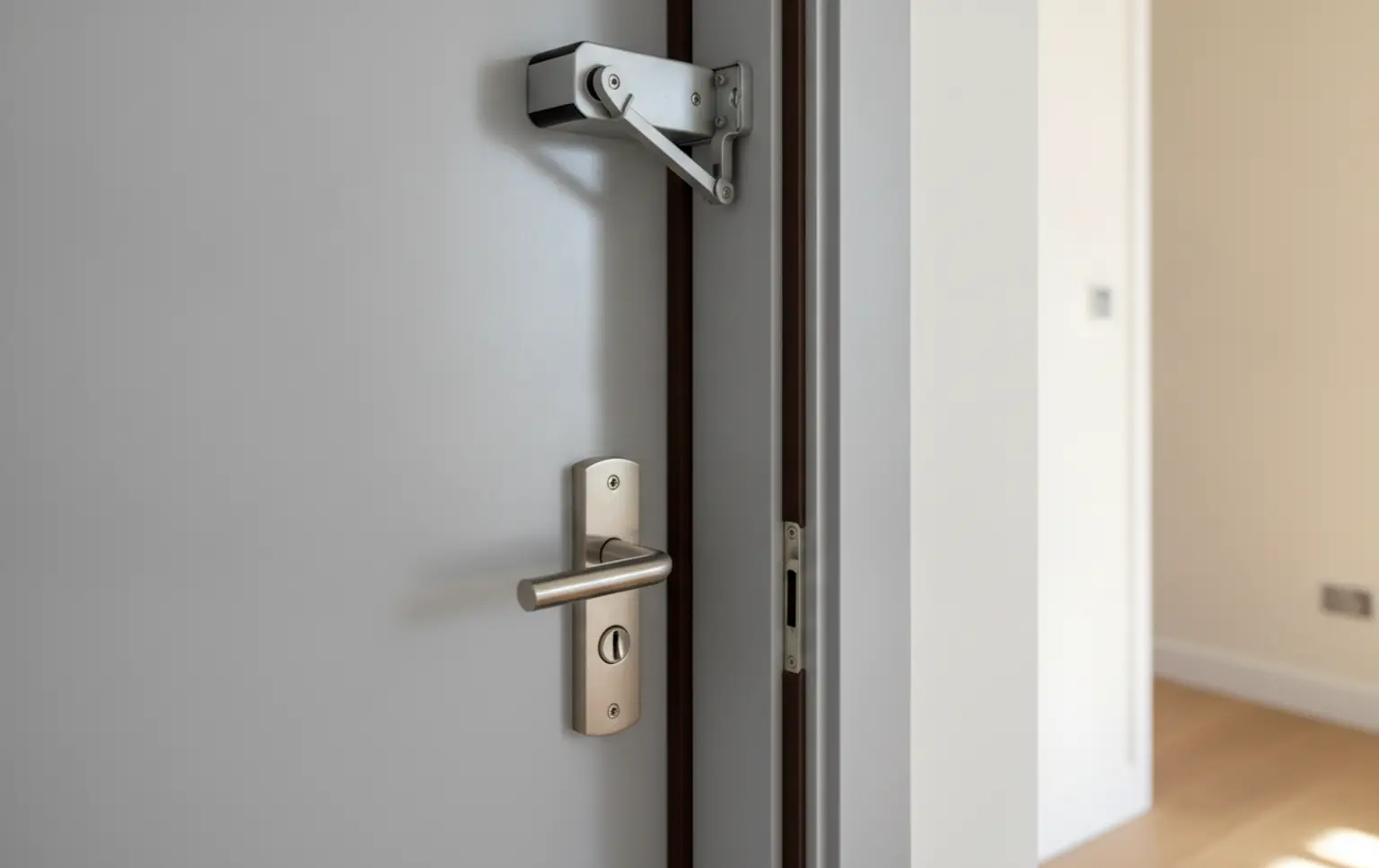
Once planning is secured, the property will likely need physical adaptation. This often involves improving fire safety measures, such as installing a more sophisticated fire alarm system and fire doors and enhancing accessibility with features like ramps or a downstairs WC. All works must comply with the relevant building regulations for a C2 change of use and you must follow the formal Building regulations approval process. - Finding and Vetting Your Care Provider Partner
With the property ready, the final step is to secure a tenant. It is vital to perform thorough due diligence on a care provider tenant. Check their financial health, track record and registration status with the CQC or Ofsted. You can verify a provider’s corporate status using the Companies House service. A strong provider is the foundation of a successful long-term investment.
Navigating Planning Permission Key Hurdles for HMO Landlords
Obtaining planning permission is often the most challenging part of an HMO to C2 conversion. Local authorities must balance the need for specialist housing against the potential loss of general housing stock, such as HMOs.
In areas like Birmingham or London boroughs, councils may have specific policies that protect HMO accommodation. You will need to build a strong case demonstrating that the social benefit of the proposed care facility outweighs the loss of the HMO. Planners will assess factors like parking provision, potential noise and the overall impact on the character of the area. For a deeper look at this topic, our guide to C2 planning permission for landlords can help.
The presence of an Article 4 Direction can also be a factor. While Article 4 is typically used to control the creation of new HMOs in an area, its existence signals that the council is sensitive to the balance of housing types. Your planning application for an HMO to C2 conversion will need to be robust and well-argued. Planning permission is required for a ‘material change of use’ of a property. A change from one use class to another, such as from Use Class C4 (HMO) to C2 (Residential institutions), constitutes a material change. Similarly, changing from a ‘sui generis’ use (which can include larger HMOs) also requires a planning application.
Common Mistakes and Myths in HMO Conversions
Navigating an HMO to C2 conversion can be complex and misconceptions are common. Avoiding these pitfalls can save you significant time and money.
- Myth: “It’s just a paper exercise.” The change from an HMO to a C2 use class is a material change that requires a full planning application and compliance with different building regulations. It is not a simple administrative task.
- Mistake: Ignoring local planning policy. Each local authority has its own Local Plan which outlines housing priorities. Failing to research this and tailor your application accordingly is a common reason for refusal.
- Myth: “Any large house will do.” Care providers have specific needs regarding room sizes, communal areas and accessibility. Not all HMOs have a suitable layout for an efficient and compliant conversion.
- Mistake: Underestimating refurbishment costs. The standards for a C2 property, particularly around fire safety and accessibility, are often higher than for an HMO. For example, you will need to follow government guidance on Fire safety risk assessment for residential care premises. Budgeting accurately for these works is essential.
- Myth: “The landlord is responsible for care quality.” Your responsibility is the building. The care provider is solely responsible for the quality of care and is regulated by the CQC or Ofsted.
Guaranteed Rent and Professional Management
For landlords who own a property suitable for an HMO property for residential care, a guaranteed rent arrangement with a specialist provider can offer an additional layer of security. In this model, a company like Prem Property can become your professional tenant, providing you with a fixed monthly rent regardless of whether the property is fully occupied by residents.
This structure ensures you receive secure rental income while reducing management stress and minimising void periods. The managing agent handles the relationship with the care provider, maintenance coordination and compliance support. It allows you to benefit from the stability of the C2 model while outsourcing the day-to-day property management.
It is important to remember that no agreement removes all investment risk. Landlords should always read contracts carefully and seek independent legal advice before entering into any arrangement.
When to Get Professional Advice
An HMO to C2 conversion is not a DIY project. Assembling a team of qualified professionals early on is key to a smooth process.
- Planning Consultant: An expert who can assess the feasibility of your project against local planning policies and prepare a robust planning application on your behalf.
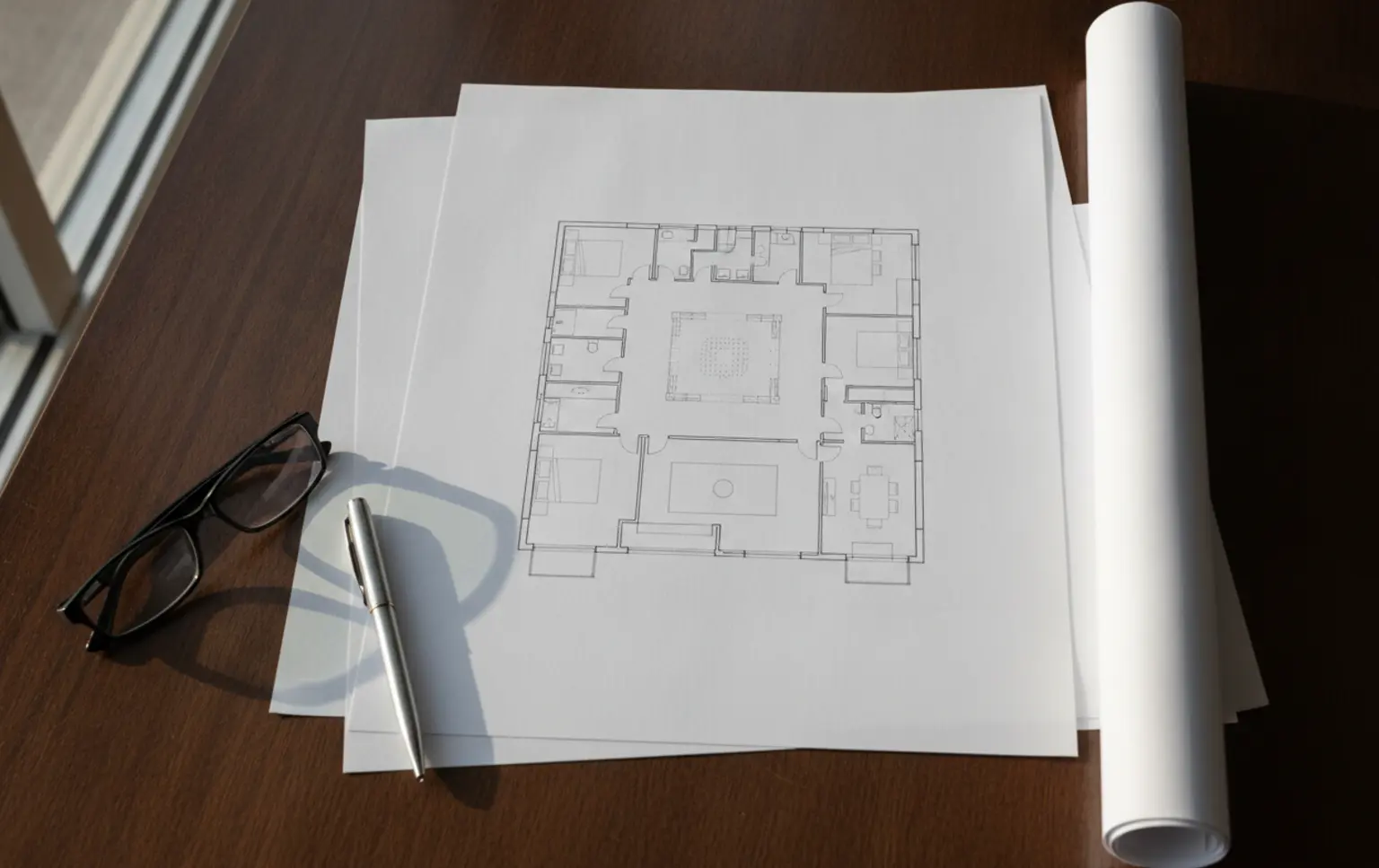
- Architect or Architectural Technician: To draw up plans for any necessary alterations and ensure they meet building regulations.
- Solicitor: Essential for reviewing and negotiating the long-term commercial lease with the care provider.
- Fire Safety Officer: To advise on the specific fire safety requirements for a C2 property, which are governed by legislation like The Regulatory Reform (Fire Safety) Order 2005. Our care home fire safety guide provides more detail.

How Prem Property Can Guide Your HMO Conversion
At Prem Property, we specialise in creating sustainable property partnerships. If you are considering an HMO to C2 conversion, we can help you navigate the journey from initial concept to a successful, long-term tenancy.
We assist landlords in evaluating the potential of their HMO for a C2 conversion, drawing on our knowledge of provider requirements. Our primary role is connecting property owners with established, reputable care providers who are actively seeking properties in the Home Counties, Greater London and the West Midlands.
Our team has extensive experience in structuring long-term, FRI-style leases that provide security and clarity for both landlords and providers. We focus on building accountable and trustworthy relationships that deliver long-term value.
Key Takeaways
- An HMO to C2 conversion involves changing a property’s use class from C4/Sui Generis to C2 (Residential Institution), which requires a full planning application.
- The C2 model offers landlords long-term leases (5-25 years) with a single care provider, reducing voids and management intensity compared to a traditional HMO.
- Your role shifts from an active HMO manager to a passive investor, as the care provider tenant typically handles daily operations and maintenance under an FRI lease.
- The process requires careful feasibility assessment, a successful planning application, property adaptations to meet building regulations and thorough vetting of a care provider partner.
- Local planning policies, particularly in areas with Article 4 Directions, can be a significant hurdle, requiring a well-justified application.
- This type of investment not only offers financial stability but also contributes socially valuable specialist housing to the community.
Frequently Asked Questions
Do I always need planning permission to convert an HMO to a C2 care home?
Yes, in almost all cases. An HMO to C2 conversion represents a ‘material change of use’ between different planning use classes (e.g. C4 to C2). According to official guidance on when planning permission is required, such a change constitutes development and requires a full planning application to the local authority.
Is a C2 care home more profitable than an HMO?
Profitability depends on many factors including property value, location and the specific lease agreement. While an HMO might generate a higher gross annual rent, a C2 property often yields a more stable and predictable net income due to longer leases, zero void periods and fewer landlord-paid operational costs under an FRI lease.
What is the difference between a C2 and C2A use class?
Use Class C2 is for ‘Residential Institutions’ like care homes, nursing homes or boarding schools. Use Class C2A is for ‘Secure Residential Institutions’ which includes prisons, young offenders’ institutions and secure hospitals. The distinction relates to the liberty of the residents and an HMO to C2 conversion typically deals only with the C2 class.
How long does an HMO to C2 conversion typically take?
The timeline can vary significantly. A statutory decision on a planning application should take around 8-13 weeks, but can be longer. The time for building works depends on the scale of adaptation required. From initial assessment to a provider moving in, a timeline of 6-12 months is a realistic but general estimate.
Can any HMO property be converted into a C2 residential institution?
No, not all properties are suitable. The success of an HMO to C2 conversion depends on factors like size, layout, location and the potential for adaptation. For example, a provider of children’s care must meet stringent criteria set out in the government’s guidance on registering a children’s home, which directly impacts property requirements.
Related Prem Property Reading
Final Thoughts
An HMO to C2 conversion is a significant strategic decision that can transform your property investment from a high-intensity operation into a stable, long-term asset. By swapping short-term tenancies for a single, long-term lease with a professional care provider, you can achieve greater income security and a more passive role as a landlord. While the process requires careful planning and professional guidance, the result can be a financially and socially rewarding investment. If you believe your property has potential and you want to explore this opportunity further, we are here to help.